

Dandruff is the most common scalp problem in all age groups. This leads to white flakes, itching, scaliness, and irritation. In some scenarios, it could also result in feeble hair roots and more hair loss. People searching for permanent solutions for both scalp and hair problems often research treatments like PRP Treatment in Ahmedabad, as well as ways to take care of dandruff and control it, especially when they see a connection between dandruff and hair fall. Dandruff itself is not a serious problem, but when people ignore the real cause, it becomes challenging to manage. To control it in the long run, understanding this disease properly is the first step.
What Is Dandruff?
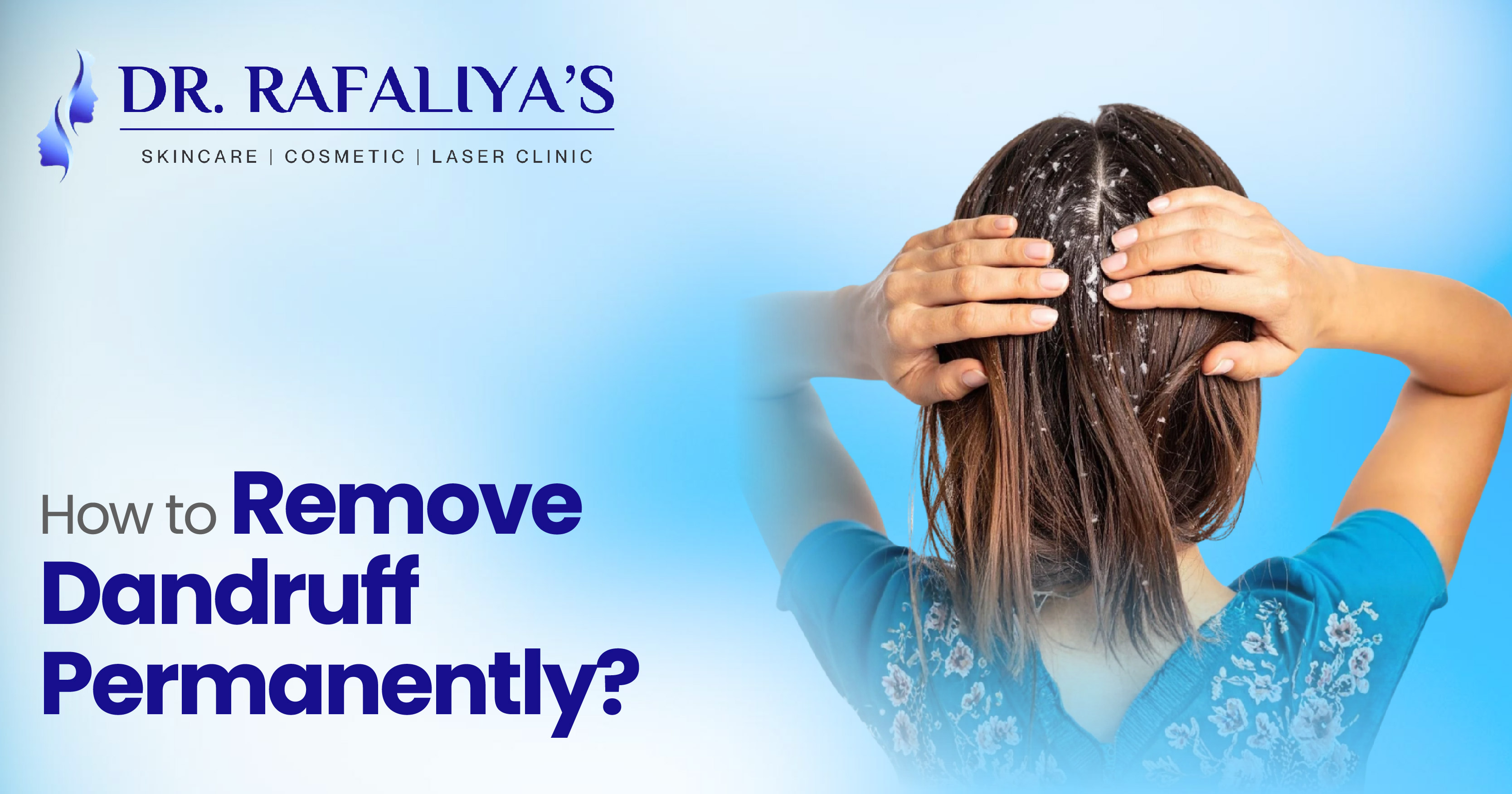
Dandruff occurs when dead skin cells on the scalp shed more easily than they ordinarily should. A little loss is normal, but if these flakes are too much, then they may signal irritation or a bad state of the scalp.
Those flakes may appear white and dry or oily and yellowish. You may also be sensitive to hot water or have a warm, itchy scalp or feel tightness. Dandruff itself is not contagious, but it appears to be very recurring if the scalp is not treated properly.
Common Causes of Dandruff
Dandruff is not caused by just one reason. It can be triggered by different things in different people.
Dry Scalp
Indigestion is one of the most common culprits behind a dry scalp. We already have cold weather, and your scalp becomes flaky and itchy due to harsh shampoo or a lack of moisture.
Oily Scalp
Oil on the scalp can also be a source of dandruff. Overabundant oil accelerates the growth of yeast-like fungus, so it will irritate your skin.
Fungal Growth
The scalp is home to a fungus named Malassezia. In some, it overgrows and causes irritation, flaking and itching.
Poor Hair Hygiene
Not washing the hair regularly allows for a buildup of oil, debris and dead skin on the scalp.
Stress and Lifestyle
Dandruff symptoms may also be aggravated by stress, lack of sleep, unhealthy food routines, and dehydration in certain people.
Skin Conditions
Also, certain conditions like seborrhoeic dermatitis or psoriasis can cause serious dandruff-like flakes.
Can Dandruff Be Removed Permanently?
Dandruff is generally recurring and controllable for long periods of time, but its permanent removal largely depends on the underlying cause or your scalp-care routine. Some remit completely only to have recurrent flare-ups with weather changes, stress, or hormonal factors.
The aim should be to maintain a healthy scalp and reduce the causes that trigger dandruff. But taking care of your body well and seeing it promptly will help in the long run.
How to Treat Dandruff Effectively
Different methods may help reduce dandruff depending on the severity of the condition.
Use an Anti-Dandruff Shampoo
Medicated shampoos are commonly used to control dandruff. Ingredients such as ketoconazole, zinc pyrithione, selenium sulphide, and salicylic acid may help reduce flakes and fungal growth.
These shampoos should usually be used two to three times a week unless advised otherwise by a doctor.
Avoid Very Hot Water
Washing the hair with scalding water can dry and irritate the scalp further. Lukewarm water is usually better for scalp health.
Keep the Scalp Clean
Sweat, oil, and dirt can build up on the scalp. Washing the hair regularly may help reduce this buildup and prevent irritation.
Improve Diet and Hydration
A balanced diet with vitamins, protein, zinc, and omega-3 fatty acids may support scalp health. Drinking enough water is also important.
Reduce Stress
Stress may increase dandruff in some people. Regular sleep, exercise, and relaxation techniques can support overall scalp and skin health.
Dandruff and Hair Loss
Dandruff itself may not directly cause permanent hair loss, but constant scratching and inflammation can weaken the hair roots. In some cases, scalp irritation may increase hair shedding.
People dealing with both dandruff and thinning hair sometimes discuss additional hair treatments, such as PRP treatment, with specialists. Platelet-rich plasma therapy is mainly used for hair restoration, but scalp health is usually addressed first before starting such procedures.
How to Prevent Dandruff from Returning
Preventing dandruff mainly depends on maintaining a healthy scalp routine.
Choose Mild Hair Products
Strong chemical products may irritate the scalp. Gentle shampoos are often better for regular use.
Wash Hair Regularly
The ideal washing frequency depends on hair type and scalp oil levels. Keeping the scalp clean may reduce oil and dead skin buildup.
Avoid Excess Styling Products
Too much gel, spray, or hair cream may block the scalp and increase irritation.
Maintain a Healthy Lifestyle
Good sleep, balanced food, hydration, and stress control can support scalp health over time.
Final Thoughts
Dandruff is a common condition, but it can usually be managed with proper scalp care and the right treatment approach. The best results often come from understanding the root cause rather than only treating the flakes. Mild dandruff may improve with simple changes in hair care habits, while persistent cases may require medical attention.
Long-term scalp health depends on regular care, balanced lifestyle habits, and suitable treatment methods. People facing ongoing scalp problems and hair thinning may visit Dr. Rafaliya's Clinic for PRP treatment in Ahmedabad or call on 8200142152. Managing dandruff early may help reduce discomfort and support healthier hair over time.
