

What is PRP Therapy for Hair Loss and How Does it Work
Hair thinning and hair fall are conditions that almost all of us face at some point in our lives. Over the past few years, many have now been tempted to investigate PRP therapy in Ahmedabad, as it is a non-invasive treatment for dealing with hair loss. So, if you have been curious about the amazing treatment, then allow me to break down what PRP hair-loss therapy is and why it could be for you (and what to expect from it).
Understanding Hair Loss in Simple Terms
There is no single cause of hair loss. It is typically caused by a combination of factors, including genetics, hormone imbalance, stress, malnutrition, health concerns, or just the normal ageing process. Many people's hair follicles do not die completely; instead, they weaken and produce less hair over time. Therapies such as PRP therapy aim to restore normal function to these damaged follicles. That is why PRP is commonly used to treat early to moderate hair thinning rather than baldness.
What Is PRP Therapy for Hair Loss?
PRP stands for Platelet-Rich Plasma. It is a medical treatment that involves using someone’s blood to promote healthy scalp and hair follicles. The treatment is based on the natural healing power of platelets, small components in blood that release growth factors. These regulatory mediators help in wound healing and tissue regeneration.
How PRP Therapy Works on the Scalp
To clarify how PRP works, it's helpful to understand what happens beneath the skin. Hair grows from microscopic structures called follicles located within the scalp. They also decrease slightly with each prevalent type of hair loss, such as pattern hair loss, in which the follicles shrink in size and diameter. PRP treatment aims to improve the biology surrounding these follicles.
Step 1: Blood Sample Collection
The process starts with a small blood collection. These are very similar to routine blood tests and take a few minutes for processing. The blood that was collected is then processed for use.
Step 2: Blood Processing in Centrifuge
The blood is then spun in a centrifuge to separate the plasma. This machine spins the blood rapidly, which breaks it into its various parts. It isolates platelet-rich plasma from the rest of the blood and then processes it for injection.
Step 3: Scalp Preparation
Obviously, the only precaution we can take with that is to cleanse the scalp before injecting anything. Usually, a local anaesthetic is used to keep you comfortable. This incision is far less traumatic to the patient.
Step 4: PRP Injection into the Scalp
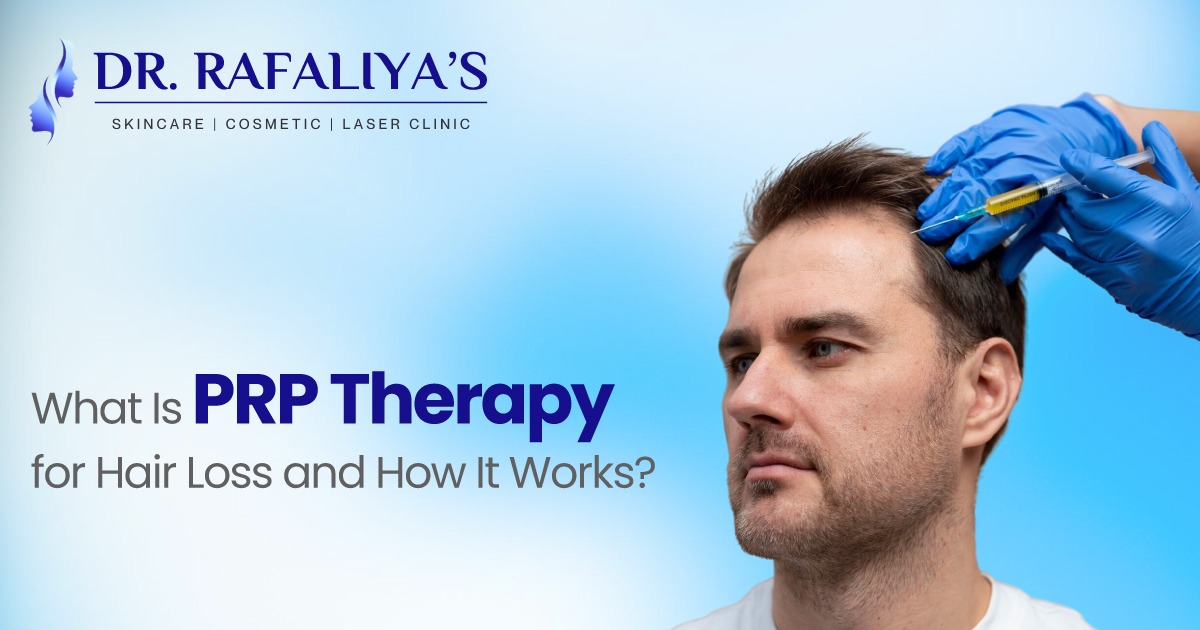
When PRP is injected into the scalp, where hair thinning occurs, injections are threaded very close to hair follicles using fine needles. The objective is to apply the platelet-rich plasma onto the affected areas.
Step 5: How PRP Supports Hair Follicles
Platelets release natural growth factors directly into the area during the injection. These growth factors help your hair follicles get more blood, which makes them work better. Results don't happen right away and may rely on your own health.
Keep in mind : PRP doesn't work right away; it takes time, and the results may be different for each patient.
What to Expect After PRP Treatment
It is essential to note that PRP therapy does not provide you with immediate results. Changes are subtle and often take place over several months. The scalp is in the healing phase and remains this way even after a few weeks. There may be a decrease in hair loss over the next two to three months. You may notice a change in hair thickness or density between three and six months in appropriate candidates.
Number of Sessions Typically Required
PRP therapy tends to be offered as a course of treatment, rather than a single process. A typical treatment course has three to four sessions about a month apart. Following the first phase, maintenance treatments at longer intervals based on individual reactivity may be indicated. Frequency is at the discretion of the treating physician based on scalp status and response.
Important Points to Keep in Mind
It's crucial to have realistic expectations before beginning PRP treatment. The ultimate goal of having a realistic expectation is necessary before the commencement of PRP therapy. Treatment occurs over time and may take several sessions. Everyone responds differently to that pattern of baldness. Precise diagnosis of the underlying cause of hair fall is imperative before any treatment.
Final Thoughts
PRP therapy for hair loss is a non-surgical treatment that involves injecting the patient’s own blood into their scalp to stimulate new natural hair growth. While it may not be a panacea, it can enhance the quality of your hair and prevent thinning. It would also enable them to make an improved decision and have a conversation about acceptable procedures with reputable doctors at Dr Rafaliya’s Clinic after they discover what PRP for hair loss treatment is and how it works.
